




The trade’s deepening give attention to Shanghai displays a strategic reaffirmation of town as they sign extra than simply market confidence. The style trade is shifting its gaze from Beijing to Shanghai — a metropolis that’s quick rising because the cultural and business coronary heart of luxurious in central Asia. From Dior’s extravagant 2021 pre-fall present at Shanghai’s Lengthy Museum, Christian Dior Haute Couture Spring/Summer season 2018 present at Minsheng Artwork Wharf to Louis Vuitton’s high-profile spring 2021 menswear presentation below the path of the late Virgil Abloh, Shanghai is (and all the time has been) handled much less like a sartorial layover and extra like a world vogue capital.
A Shift Away from Beijing

Whereas Beijing stays China’s political centre, its affect over the style panorama has notably diminished. In comparison with Shanghai’s dynamic inventive output and quicker retail restoration, Beijing’s luxurious market seems extra conservative and slower-moving. Fewer worldwide activations and fewer cultural momentum have led main Maisons to prioritise Shanghai as their Chinese language stronghold. This shift marks a broader realignment inside the trade, the place cultural and inventive capital — not political energy — more and more dictates model technique and regional funding.
China’s financial progress decelerated to 4.5 % this 12 months, down from 5.2 % in 2023 — reflecting broader macroeconomic uncertainty. The property sector — which contributes roughly 30 % of China’s GDP — noticed a 15 % drop in funding. This contraction resulted in a damaging wealth impact, eroding discretionary revenue amongst prosperous households and resulting in a big shift in buying behaviour. Mainland gross sales of private luxurious items dropped by 1 to three % within the first quarter of the 12 months, based on Bain-Altagamma’s Luxurious Items Worldwide Market Examine. Analysts at HSBC revised their luxurious market progress forecast downward, predicting simply 2.8 % progress in 2024 — in comparison with their earlier estimate of 5.5 %. Nonetheless, amid this financial softening, Shanghai has emerged as a robust outlier — a metropolis more and more outlined not simply by its consumption, however by its cultural capital. As luxurious manufacturers recalibrate their China methods, many are turning to Shanghai’s thriving artwork, design and gastronomy scenes to create deeper, extra immersive connections with youthful shoppers.
Shanghai’s Evolving Luxurious Panorama
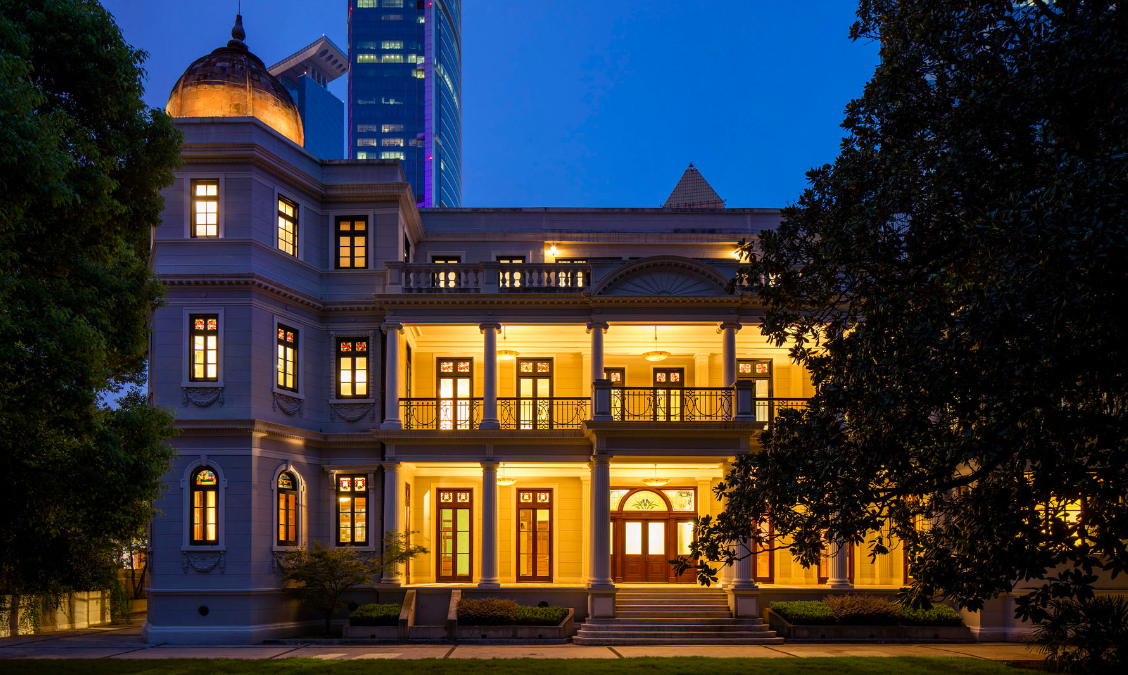
China’s dominance in luxurious spending over the previous decade was largely pushed by an increasing center class and rising disposable incomes. Nonetheless, amid a extra cautious financial local weather and a nationwide slowdown in luxurious consumption, manufacturers are recalibrating their methods. As a substitute of relying purely on widespread client spending, they’re concentrating on cities like Shanghai, the place they’re banking on the consumption of luxurious to stay resilient. Shanghai affords a extremely concentrated market of worldwide related luxurious shoppers, making it the proper stage for manufacturers looking for sustainable progress.
Working example, Prada is ready to open “Mi Shang” — its first stand-alone restaurant in Asia — situated inside the historic Rong Zhai residence in Shanghai. Co-designed by famend filmmaker Wong Kar Wai, the restaurant attracts inspiration from his iconic cinematic fashion, evoking themes of longing and nostalgia by means of a placing interaction of mirrors and contrasting décor, harking back to movies like “Within the Temper for Love”.

The identify “Mi Shang” — which means “to be obsessive about” — displays the sensory expertise Prada goals to create inside the restored 1918 mansion, which the model meticulously renovated over six years. Rong Zhai will now additionally function a hub for Prada’s cultural activations in China, with the restaurant occupying the second ground. Greater than only a model extension, “Mi Shang” represents Prada’s reply to a generational shift in luxurious consumption.
With Gen Z and millennial shoppers in China more and more prioritising experiences and model tradition over conventional retail, luxurious eating is rising as a important new frontier. Based on current client research, youthful customers are prepared to put money into immersive model environments that supply emotional and cultural engagement. Because the Jing Each day experiences, Prada’s “Mi Shang” is already producing buzz on Chinese language social platforms like Xiaohongshu — the place the hashtag “#PradaRongZhai” has exceeded 10 million views.
“Mi Shang” positions Prada on the intersection of vogue, artwork and way of life. In a market the place financial headwinds have softened discretionary spending, this pivot in direction of experiential luxurious affords a savvy approach for manufacturers to take care of cultural relevance and deepen client loyalty. Positioned at No. 186, North Shaanxi Street, Jing’an District, Shanghai, Mi Shang will probably be open each day from 10am to 10pm, providing a full vary of culinary experiences — from espresso and afternoon tea to positive eating and cocktails. For reservations, name 021-22180388 or electronic mail mishang.rsvn@prada.com.

Shanghai Retains Standing as China’s Artistic Capital
Past its client base, Shanghai’s thriving inventive scene is more and more shaping the way forward for each artwork and vogue. Town has grow to be a magnet for rising designers, underground artists, stylists and musicians whose affect now extends past China’s borders. Worldwide vogue homes are forging partnerships with Shanghai-based creatives to craft campaigns, capsule collections and occasion activations that purpose to supply luxurious manufacturers with a important edge in storytelling, making Shanghai not only a market to promote in, however a tradition to put money into.

Including to Shanghai’s rising status as a cultural powerhouse is the Trendy Artwork Museum (MAM) Shanghai. In 2024, the Trendy Artwork Museum (MAM) Shanghai cemented its standing as considered one of Asia’s most influential cultural establishments, delivering a blockbuster 12 months of exhibitions that drew international consideration and positioned town as a nexus of inventive capital. The museum’s programming included retrospectives and immersive showcases by worldwide icons akin to David Hockney, Marina Abramović and Robyn Ward, alongside groundbreaking modern works by Chinese language artists, making a dialogue between East and West that resonated with Shanghai’s more and more cosmopolitan viewers.
These exhibitions had been extra than simply cultural moments — they served as a strategic backdrop for luxurious’s intensifying courtship with Shanghai’s artwork scene. As international Maisons search new modes of engagement past conventional retail, MAM’s cross-disciplinary method — mixing visible artwork, efficiency, expertise and vogue — aligns with the trade’s push towards experiential branding.

Learn Extra: MAM Shanghai Poised to Turn into an Artist’s Haven in 2024
Shanghai’s Demographic Powerhouse
Shanghai’s Gen Z and millennial demographics are redefining what luxurious means. Digital natives with international mindsets, they anticipate manufacturers to supply greater than standing symbols — they demand authenticity, cultural relevance and experiential depth. Manufacturers like Balenciaga, Valentino and Loewe are responding not solely by opening sprawling flagship shops in status places like Plaza 66, but additionally by localising campaigns, collaborating with homegrown creators and designing retail ideas tailor-made particularly to Shanghai’s distinctive sensibilities.
Learn Extra: Luxurious Manufacturers Leverage on Southeast Asia to Defy Slowdown
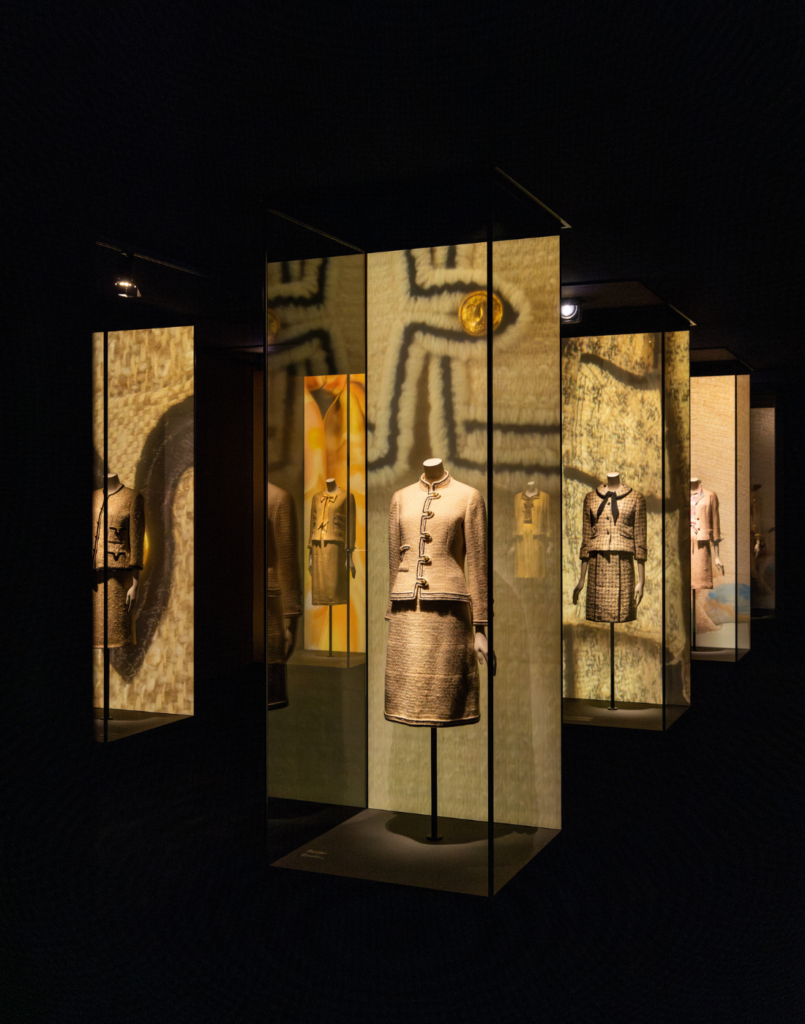

In 2024, Shanghai bolstered its standing as a world vogue and cultural capital with the arrival of Gabrielle Chanel. Trend Manifesto on the Energy Station of Artwork. As Chanel’s first devoted retrospective of its founder in China — following acclaimed runs in Paris and London — the choice to stage the exhibition in Shanghai mirrored town’s rising significance as a strategic luxurious hub. With its vibrant artwork scene, refined client base and increasing affect within the international vogue economic system, Shanghai supplied the best backdrop for the Maison to have a good time its heritage whereas deepening cultural ties with the subsequent technology of Chinese language luxurious shoppers.
Learn Extra: A Look At The “Gabrielle Chanel. Trend Manifesto” Retrospective In Shanghai


Moreover, Shanghai’s “First in Shanghai” technique is quickly elevating town’s international vogue standing by means of daring monetary incentives and a transparent mandate to draw first-in-China and Asia retail debuts, headline-making exhibits and model exhibitions. In current months, luxurious homes like Balenciaga, Louis Vuitton, Gucci and Hermès have staged landmark occasions within the metropolis, with Balenciaga’s Spring 2025 present drawing over 96 million on-line viewers. These main openings and occasions embrace Loewe’s first public exhibition “Crafted World”, the debut of China’s first Supreme retailer, a Gucci pop-up and the return of Hermès’ males’s present.
As Jing Each day’s Head of Knowledge, Avery Booker experiences, manufacturers opening their first Asia shops in Shanghai can obtain as much as 1.2 million RMB, with further subsidies for internationally promoted activations. Districts like Jing’an and Xuhui are additionally providing multi-million RMB funding for brand-building and night-time economic system stimulation. The twin purpose: increase Shanghai’s international status whereas driving native financial influence and asserting town’s dominance over regional rivals like Beijing and Hong Kong.
The luxurious trade’s rising give attention to Shanghai indicators extra than simply market confidence; it represents a strategic reaffirmation of town as the longer term epicentre of vogue affect and funding.
For extra on the newest in luxurious enterprise reads, click on right here.
